Authorized AMSOIL Dealer
Joseph Feghali
Miami, FL

1981 Dodge St Regis 5.2L Oil Type and Capacity

Free Vehicle Maintenance App

For cars, trucks, ATVs & more

Track oil changes, save service records, and get maintenance reminders.

Keep your maintenance history handy for your next service.

Your Vehicle's Information

Year:

1981

Make:

Dodge

Model:

ST REGIS

Engine Size:

5.2L

Engine #:

[L]

Recommended oil filters for my 1981 St Regis

Product Name Product Description Product
AMSOIL Ea Oil Filters This filter is for your 1981 Dodge St Regis and is designed to last up to 25k (normal conditions) or 15k miles (severe conditions) or 1 year, whichever comes first. EAO42-EA
AMSOIL Ea Oil Filters EAO42-EA
Add To Cart
Add To Cart
WIX Oil Filter WIX oil filter change intervals for your 1981 Dodge St Regis are extended OEM recommendations to match the drain intervals of AMSOIL XL Motor oil. (12,000 miles or 1 year, whichever comes first). 51068-EA
WIX Oil Filter 51068-EA
Add To Cart
Add To Cart

Transmission filters

Product Name Product Description Product
WIX Transmission Filter Use this WIX Transmission Filter since it will protect your 1981 Dodge St Regis's transmission from harmful debris and the awesome filtration will reduce wear in your St Regis. 58707-EA
WIX Transmission Filter 58707-EA
Add To Cart
Add To Cart

Recommended coolants for my Dodge St Regis

Product Name Product Description Capacities Product
Passenger Car & Light Truck Antifreeze & Coolant maximum protection for your 1981 Dodge St Regis under extreme temperatures and operating conditions! Lasts up to 150,000 miles or five years! (whichever comes first) ANTPC1G-EA
Passenger Car & Light Truck Antifreeze & Coolant ANTPC1G-EA
Add To Cart
Add To Cart
Low Toxicity Antifreeze and Engine Coolant Lasts in your 1981 Dodge St Regis for up to 150,000 miles or five years! (whichever comes first). Biodegradable! ANT1G-EA
Low Toxicity Antifreeze and Engine Coolant ANT1G-EA
Add To Cart
Add To Cart

Maintaining Lubrication Standards for the 1981 Dodge ST REGIS 5.2L

Proper engine care for a vehicle of this era requires a focus on consistent monitoring and adherence to specific fluid requirements. For owners of a 1981 Dodge ST REGIS equipped with the 5.2L engine, maintaining the integrity of the lubrication system is a fundamental aspect of long-term mechanical health. Because older engines may exhibit different sealing characteristics or material behaviors compared to modern vehicles, a proactive approach to inspection and fluid management is highly beneficial.

Monitoring Fluid Integrity and Potential Seepage

A primary component of routine maintenance involves regular visual inspections of the engine compartment. For an engine from 1981, it is useful to look for any signs of fluid seepage or leakage around various sealing surfaces. While some level of minor seepage can occur as gaskets and seals age, significant or active leaks should be investigated promptly. When performing these checks, focus on areas where oil might accumulate. Inspecting the underside of the engine and the surrounding components can reveal if lubricants are escaping from their intended pathways. If you notice fresh fluid accumulating in the oil pan area or dripping onto the ground after the vehicle has been parked, this warrants a closer inspection to identify the source. Additionally, checking the condition of any visible hoses or electrical connections for signs of contamination by oil is a practical way to ensure that other engine systems remain unaffected by potential leaks.

Observing Changes in Engine Performance and Lubricant Condition

Beyond visual inspections for external leaks, owners should be attentive to how the vehicle behaves during operation. Changes in the way an engine sounds or runs can sometimes be associated with the condition of the lubrication system. For instance, unusual mechanical noises that appear or change in frequency may indicate that the lubricant is not performing as expected or that there is a need for closer inspection of internal components. It is also important to monitor the appearance and consumption of the oil. If you find that you are needing to add oil more frequently than usual, this can be an indicator of increased consumption that should be investigated. Furthermore, if the oil appears significantly darker, thicker, or contains visible debris when checked via a dipstick, it may suggest that the lubricant has been subjected to heavy thermal stress or contamination. Such observations do not definitively diagnose a specific part failure but serve as important signals that maintenance priorities may need to be adjusted.

Prioritizing Maintenance Based on Current Vehicle Condition

As vehicles age, the most effective way to manage maintenance is to base decisions on the actual, current condition of the machine rather than relying solely on chronological age. For a 1981 Dodge ST REGIS, this means establishing a baseline of what is currently functioning correctly and then focusing efforts where they are most needed. If you do not have a complete service history for the vehicle, your first priority should be to establish that baseline through thorough inspections. Reviewing any available maintenance records can provide insight into when components were last serviced or replaced. If records are incomplete, treat the current state of all fluids and belts as the starting point. Addressing active leaks, unusual noises, or overdue fluid changes should take precedence over general preventive tasks. This condition-based approach ensures that resources are directed toward maintaining the immediate reliability of the 5.2L engine.

Managing Aging Engine Components

Maintaining an older vehicle involves understanding that materials like rubber and various sealants change over time. When inspecting the engine, it is useful to look at accessible belts (if equipped) for signs of deterioration such as cracking, glazing, or fraying. Similarly, if any cooling hoses are present and visible, checking them for softness, brittleness, or swelling can help prevent unexpected failures. It is also beneficial to keep an eye on the cleanliness of the engine environment. Accumulated grime and debris can sometimes hide small leaks or trap heat, so maintaining a relatively clean engine bay can actually assist in more effective visual inspections. By observing how these aging materials behave under normal operating conditions, you can make more informed decisions about when a component is nearing the end of its useful life versus when it simply requires continued monitoring.

The Role of Consistent Lubrication Maintenance

Effective lubrication serves several purposes that are vital to engine operation. Beyond reducing friction between moving parts, the oil helps manage heat within the engine and assists in carrying away contaminants that can accumulate during the combustion process. Over time, these contaminants can contribute to the formation of deposits or sludge if the oil is not changed according to a proper schedule. Regularly replacing the lubricant ensures that the additives designed to control oxidation and prevent deposit buildup remain at effective concentrations. For an engine like the 5.2L in this Dodge ST REGIS, maintaining clean and fresh oil is one of the most direct ways to support the mechanical longevity of the system. Consistent service helps ensure that the lubricant continues to provide the necessary protection against the various stresses encountered during driving.

Practical Guidance for Buying Engine Oil for your 1981 Dodge ST REGIS 5.2L

When it is time to replenish or change the oil, the most important step is to match the product to the specific requirements of your engine. Because different engines have unique needs regarding viscosity and additive packages, you should not rely on general automotive knowledge or assumptions based on the vehicle's age. To ensure you are using the correct lubricant, refer to the application-specific oil viscosity and information already displayed on this webpage. When you are ready to purchase, always check the product labeling to confirm that the oil meets the necessary specifications for your 5.2L engine. You may choose between conventional, synthetic blend, or full synthetic formulations depending on what is appropriate for your specific maintenance goals and the application details provided above. Some high-mileage oil formulations also contain additives intended for use in aging engines, including seal-conditioning additives, which may be a consideration for vehicles showing signs of increased seepage. Always prioritize the technical information listed in the vehicle's application data to make an informed selection.
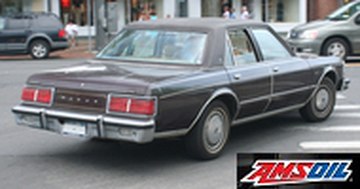
Catalog vehicle photograph for 1981 Dodge ST REGIS
Vehicle photograph from our catalog. Appearance may differ by model or trim.

If you're looking for another year, make or model instead of this 1981 Dodge ST REGIS motor oil, try one of these similar models below. We try to keep one page for each model vehicle.

Visit us on social media